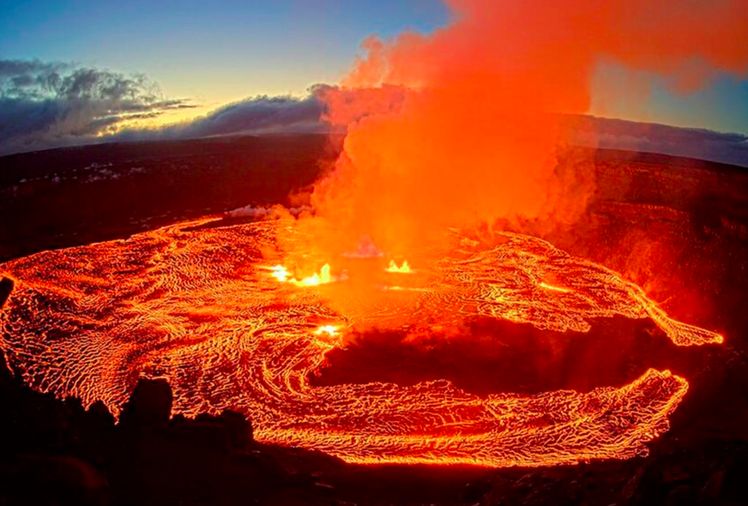
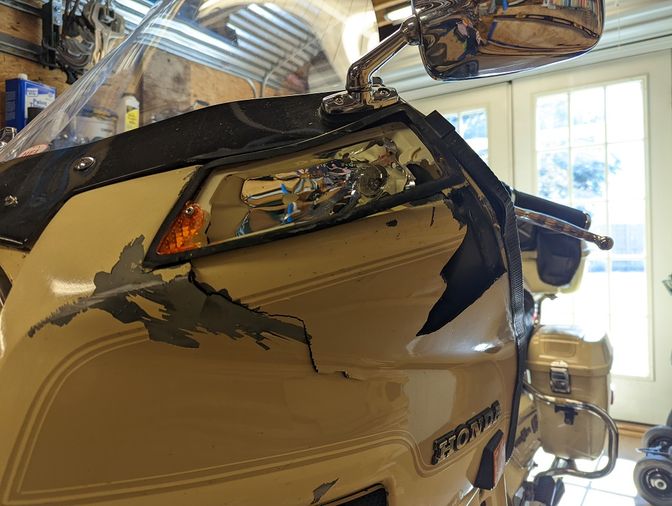
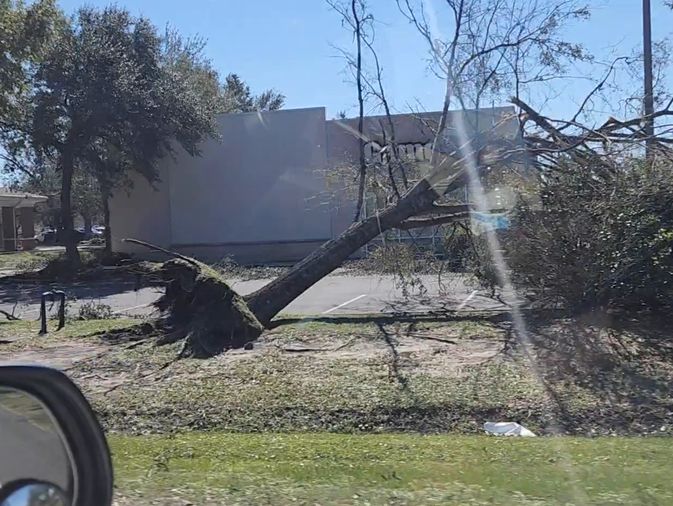
 They leave damage behind everywhere they go, even though they never see it or realize they did it.
You Probably Already Know This
I just figured out today why hurricanes are so angry.
It's because they are so lonely.
Nobody likes them. And why do people not like hurricanes? Because they're so angry. Nobody wants to eat dinner with that much disaster just looking for a place to explode. Don't want it in my house. Don't want it in my yard. Don't want it in my county. Just leave me be, thank you very much.
I used to be angry.
There's nothing gained going into why I was so angry for so many years. Let's just say it was more than I could deal with and leave it there. But I was angry. I was very angry inside for over a decade. I was a walking, talking mini-hurricane. Everywhere I went I left some damage behind, even though I didn't see it or realize I did it.
And guess what? Not many people liked me. And now I see why. It's totally normal to shy away from angry people.
And I was lonely. I was lonely because I was angry, and then I was more angry because I was lonely.
That must be how hurricanes feel. Caught in a self-perpetuating conundrum of dissatisfaction.
Unfortunately, I can't change that for hurricanes. They are not people. No matter how well I anthropomorphize them, they do not think or feel. They possess neither intent nor emotion.
People do, though. And so for people like me I offer this tiny contemplation. Maybe there's some insight herein that can help someone begin a transition from anger to peace.
That would be a thing that works! "I have always been a storm," doesn't have to be your song.
Peace.

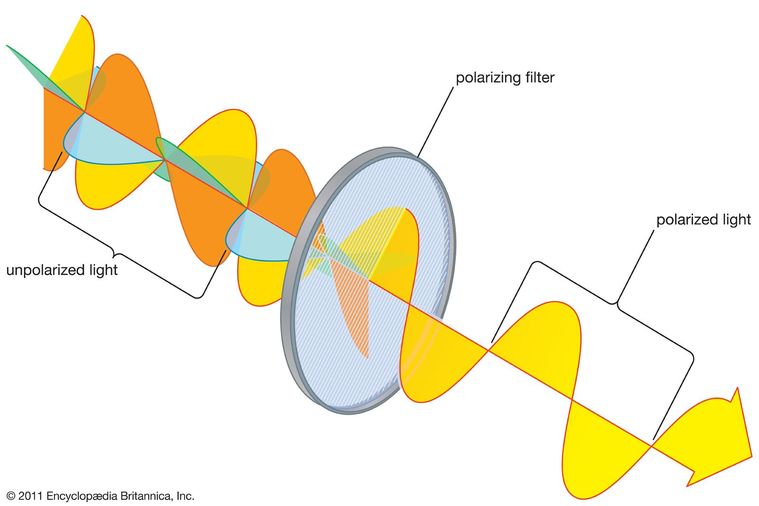 A polarizing filter changes the reality of light. Our natural cognitive filters are equally polarizing, often making reality unrecognizable.